
As we navigate the current build up to solar maximum of solar cycle 25, a period marked by heightened solar activity, its effects on Earth extend far beyond the mesmerizing auroras and technological disruptions. This period of increased sunspots and solar flares has significant implications for our climate, natural disasters, mental health, societal stability, and even geopolitical narratives. Here, we explore the multifaceted influence of the solar maximum, shedding light on its far-reaching impacts.

Solar Radiation and Earth’s Atmospheric Systems
During solar maximum, as Dr. Tamitha Skov has explained, the sun emits elevated levels of solar radiation, affecting Earth’s climate system. This increased solar energy can amplify seasonal temperature variations, leading to more intense summers and potentially milder winters in some regions. While these changes are not the only drivers of global warming, they can exacerbate existing climate trends. Solar activity influences atmospheric circulation patterns through interactions between solar particles and Earth’s magnetosphere. Solar flares and coronal mass ejections (CMEs) can disrupt jet streams and other atmospheric currents, contributing to noticeable shifts in weather patterns. These disruptions can manifest as prolonged droughts or excessive rainfall, impacting agriculture and water resources on a global scale. This offers a profound lesson in the delicate balance of Earth’s atmospheric systems and the intricate ways in which solar activity interacts with our environment.
The Schumann Resonance is a set of frequencies generated and sustained by electromagnetic waves in the Earth’s atmosphere, primarily due to lightning strikes. Named after physicist Winfried Otto Schumann, these frequencies are typically around 7.83 Hz but can fluctuate. This resonance represents the Earth’s natural electromagnetic heartbeat and plays a significant role in the biological rhythms of living organisms. As Stefan Burns explains, the Schumann Resonance frequencies have indicated explosive energies being blasted towards earth recently.
What Is Schumann Resonance and How It Is Connected to Human Consciousness – Learning Mind
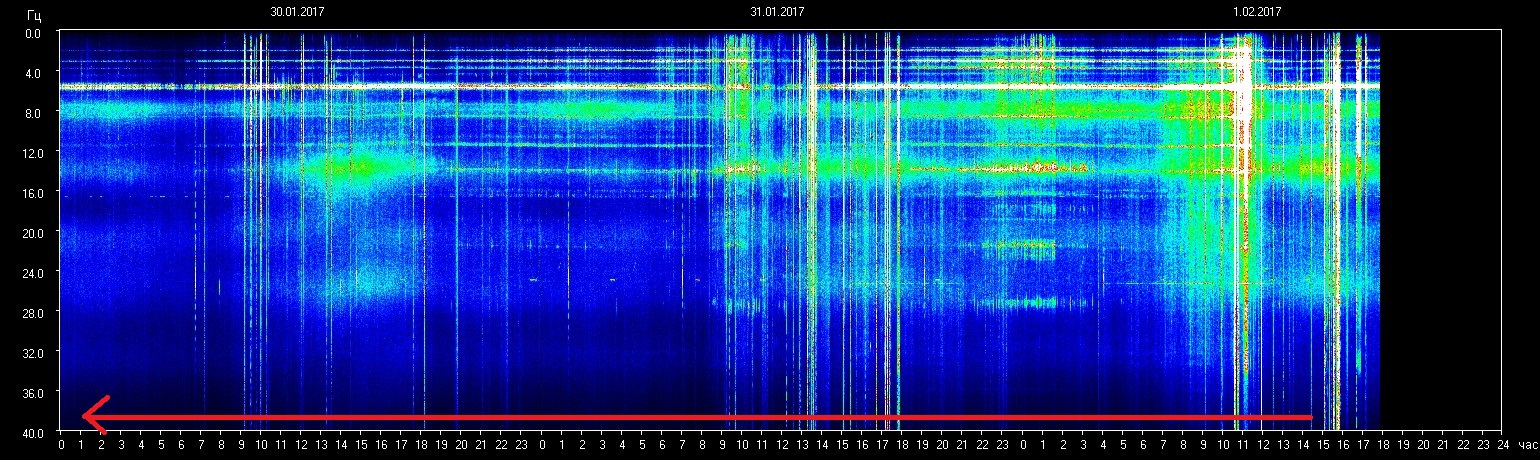
With the recent fluctuation in solar activity, it has become evident that these storms can disrupt satellite operations, GPS systems, and power grids. The increased frequency and intensity of geomagnetic storms during solar maximum pose a risk to technological infrastructure, necessitating improved monitoring and protection measures. For example, the 1989 geomagnetic storm caused a significant power outage in Quebec, illustrating the potential for widespread disruption.
While these disruptions underscore the importance of robust technological systems, they also remind us of our dependence on and the potential vulnerabilities of modern technology.
Recent Observations by geophysicist Stefan Burns have identified a notable correlation between solar activity and seismic events. On several occasions in the first few months of 2024, Burns predicted several volcanic eruptions based on solar activity patterns, and his predictions have proven quite accurate. His research suggests that increased solar activity might influence tectonic and volcanic processes. This correlation highlights the potential impact of cosmic factors on Earth’s geological phenomena, emphasizing the need for further investigation into these dynamic interactions. Although this hypothesis requires further research, the implications are significant, as increased seismic and volcanic activity could have devastating consequences for communities worldwide.
Stefan Burns also explains that heightened geomagnetic activity during solar maximum can affect human mental health. His research has shown correlations between geomagnetic storms and increased incidences of mood fluctuations and disorders, such as depression and anxiety. People have also experienced heightened fatigue during this high solar activity. The exact mechanisms remain unclear, but it is hypothesized that geomagnetic fluctuations influence melatonin production and circadian rhythms, impacting biological rhythms, sleep quality, stress responses and emotional well-being. This connection highlights the need for awareness of how solar activity might affect mental health.
While excessive sun exposure carries risks and one should always take the necessary precautions, sunlight is also crucial for overall health. It helps regulate our circadian rhythms, supports vitamin D production, vital for bone health and immune function. Research has underscored the benefits of moderate sun exposure, advocating for a balanced approach to harness the sun’s health benefits while mitigating the risks of overexposure. Embracing the sun’s benefits while taking sensible precautions reflects a balanced approach to appreciating and protecting our connection with this essential celestial body.
Beyond human impacts, the solar maximum reveals its subtle influence on animal behavior, though its effects are intertwined with broader atmospheric changes. My father, Dr. Wilhelm Schack, a wildlife vet and ecologist (Eco Group Africa – EGA) in South Africa, observed that local wildlife, especially buffaloes, showed increased restlessness and agitation before the arrival of cold fronts and shifting pressure systems from the Atlantic. These atmospheric changes often caused heightened stress in buffaloes, complicating their capture and handling. Interestingly, he first noticed this pattern by observing changes in our own family’s behaviour. We would have headaches and become irritable and uneasy before a cold front, a sign that he learned to associate with upcoming weather disruptions. This intuitive understanding extended to predicting his daily challenges with wildlife based on these atmospheric signs. Beyond buffaloes, this pattern is seen across various species: migratory birds might alter their flight patterns or migrate earlier, while sea turtles and marine life could experience disorientation due to changes in magnetic cues. Insects and reptiles have also been great indicators of weather pattern changes, in many cases predicting rainfall some days ahead of time, by becoming more active. These observations highlight a critical, often overlooked dimension of conservation – understanding how both celestial events like solar maxima and atmospheric changes impact animal behavior. This insight is crucial for adapting wildlife and ecological management strategies and improving conservation efforts by accounting for the profound ways environmental fluctuations affect both animal stress and behavior.
There are strong indicators that suggest that solar activity may influence societal behaviour, leading to increased conflict situations, aggression, protests, and crime rates. The psychological stress induced by geomagnetic storms can exacerbate underlying tensions within communities, potentially triggering social unrest. Historical Data and Research has shown spikes in aggressive behaviour and criminal activity during warmer periods, possibly linked to the collective stress experienced during these periods. These observations emphasize the need to consider solar activity when analysing social and behavioural trends.
The natural variability of solar activity is rarely included in the discussions around the influences on climate change. It’s important to differentiate between natural solar cycles and human-induced climate change to ensure informed decision-making. Recognizing the sun’s role while advocating for robust climate action encourages a nuanced understanding of both natural and anthropogenic factors is important to ensure that policies are based on accurate scientific understanding.
By remaining informed and proactive, we can better navigate the challenges posed by this dynamic period of solar activity and its far-reaching implications.
Given the multifaceted impacts of solar maximum, awareness and preparedness are crucial. Governments and organizations must invest in monitoring and forecasting solar activity to provide timely warnings of geomagnetic storms and other solar-induced phenomena. Public education campaigns can help individuals understand the risks and take appropriate measures to protect their health and well-being.
Addressing the challenges posed by solar maximum requires collaboration across scientific disciplines. Meteorologists, space weather physicists, healthcare professionals, and policymakers must work together to develop comprehensive strategies for mitigating the effects of heightened solar activity. By pooling expertise and resources, we can enhance our resilience to the dynamic forces of our sun.

The sun has been revered across cultures throughout history, worshipped as a central life force by ancient civilizations. Indigenous cultures, (including the Egyptians, Maya, and Aztecs) have long recognized the sun’s importance, integrating its cycles into spiritual and agricultural practices. Their deep understanding of the sun’s role in their lives teaches us to respect and harmonize with the sun’s rhythms, emphasizing a holistic approach to living in balance with nature.
For example:
These ancient teachings reflect a deep understanding of the sun’s significance and its impact on human life. They emphasize a harmonious relationship with the natural world and the importance of recognizing cosmic influences.
The cycles of the sun have long influenced environmental patterns and conservation efforts. Ancient civilizations understood the sun’s rhythms, integrating solar cycles into their agricultural and ecological practices to promote sustainability. Today, recognizing the sun’s role in natural cycles can enhance modern conservation strategies. Solar maximums and minimums affect weather patterns, which in turn impact animal behaviour, ecosystems and biodiversity. By studying these solar influences, we can develop more resilient conservation methods that align with natural cycles, ensuring the protection and sustainability of ecosystems. Integrating this ancient wisdom with contemporary ecological science can help us address environmental challenges more effectively, fostering a harmonious relationship between humanity and the natural world. By understanding the many influences our climate has on us and our environment, we can better understand and develop robust conservation efforts.
The current solar maximum highlights the profound ways in which the sun impacts our climate, natural disasters, mental health, and societal dynamics. By exploring these effects with both scientific insight and philosophical reflection, we can navigate this period with a balanced perspective. Embracing the sun’s role in our lives while remaining mindful of its potential impacts fosters a deeper connection with the natural world and promotes a harmonious approach to both challenges and benefits.
For further exploration of these phenomena, consider delving into the work of geophysicist Stefan Burns and space weather expert Dr. Tamitha Skov . Their research provides valuable insights into the complexities of solar activity and its effects on Earth.
We welcome all conservation organizations committed to making a positive impact on our environment. To join our community of dedicated conservation projects, ensure you meet the following criteria:
Must be a Certified NPC/NPO with a registered South African Bank Account
Must have an approved PAYFAST Gateway Account
Legitimate Conservation Projects only
Commitment to Transparency
Verification Documents Ready (Refer to our verification guide below)
Our commitment to transparency means we verify each conservation organization. Submit the necessary verification documents through our secure portal.
Organization Details:
Contact Information:
Submit accurate contact details, including a dedicated email address for communication.
Verification Documents:
Verification Process:
Our team will carefully review your submission to verify its legitimacy and alignment with our mission. This process typically takes 3-5 business days.
Once verified, your conservation project will be live on our platform. Donors can find, support, and contribute directly to your cause. Share you link and let the Fundraising begin!
Donors contribute directly to your conservation project through our platform.
Secure Payment Gateway: We use PayFast (A Trusted Payment Gateway Service Provider) for seamless transactions.
Transaction Fee: A 10% fee is deducted for GAAAP, plus the Payment Gateways Transaction fees. See below for more information.
We provide ongoing support and marketing to ensure your conservation efforts receive the attention they deserve. Regular updates keep our supporters informed and engaged. Join us in Creating a Sustainable Future for Our Planet!
A 10% transaction fee is applied to the donation amount donated on our platform to cover platform maintenance, marketing efforts, support, and further development. This helps us sustain and grow, ensuring we can continue supporting conservation efforts.
PayFast deducts a standard fee for processing payments securely.
Please review PayFast’s fee structure on their official website for more details.


